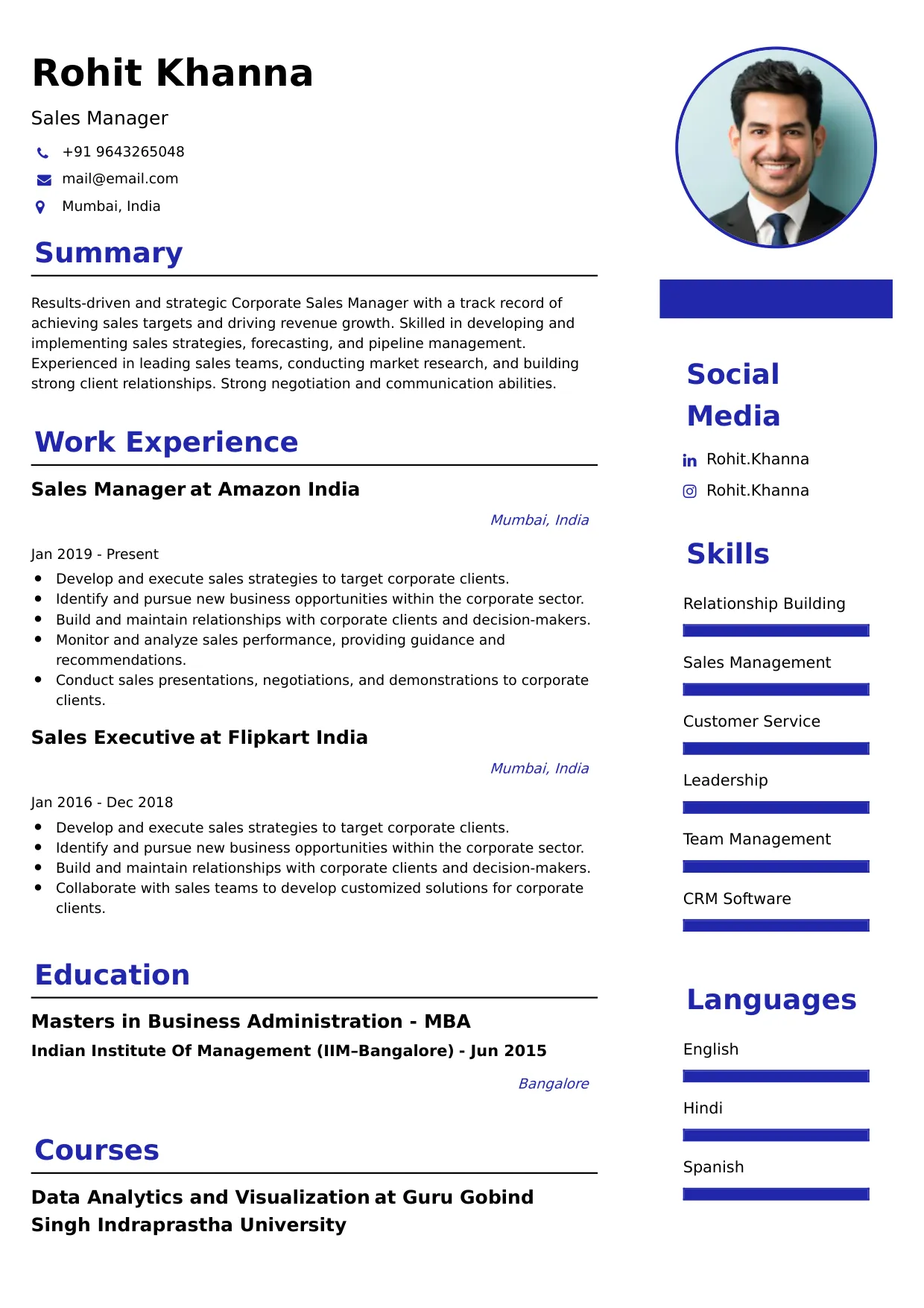
Use a reverse-chronological format to emphasize your most recent, high-level document control and content creation achievements.
Drama Teacher
Welcome to our Drama Teacher resume sample page! This expertly crafted resume template is designed to showcase your expertise in theatre arts instruction, curriculum development, stage production management, and fostering student creativity in educational settings. Whether you're a recent graduate or a seasoned educator, this sample highlights key skills like acting techniques, directing, technical theatre, classroom management, and standardized curriculum adherence tailored to meet top schools’ demands. Use this guide to create a compelling resume that stands out and secures your next career opportunity.
Mid Level
Senior Level
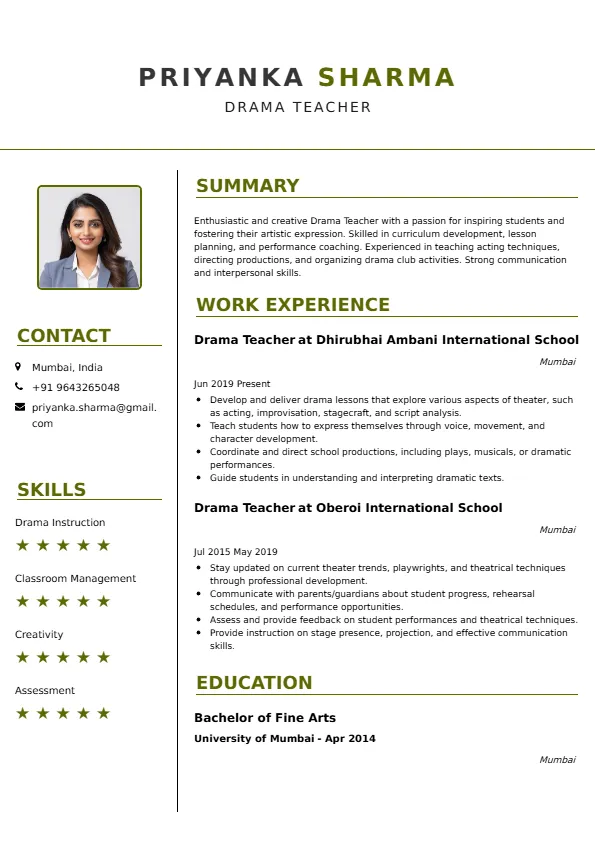
Build a Standout Drama Teacher Resume with Superbresume.com
Superbresume.com empowers Drama Teachers to craft resumes that highlight their pedagogical methods and production success. Our platform offers customizable templates tailored for education roles, emphasizing skills like script analysis, improvisation, theatre history, and directing diverse student populations. With ATS-optimized formats, expert-written content suggestions, and real-time resume analysis, we ensure your resume aligns with job descriptions. Showcase your experience in developing student confidence, producing critically acclaimed shows, or securing funding for theatre programs with confidence. Whether you teach middle school or high school, Superbresume.com helps you create a polished, results-driven resume that grabs hiring managers’ attention and lands interviews.
How to Write a Resume for a Drama Teacher
Craft
a Targeted Summary: Write a 2-3 sentence summary highlighting
your teaching certification/licensure, experience in drama instruction and
production (quantified), and success in fostering a creative, inclusive,
and educationally rigorous theatre program.
Use Reverse-Chronological Format: List recent teaching roles first, focusing on curriculum taught and production experience.
Highlight Certifications/Licensure: Include credentials like State Teaching Certification (in Theatre/Drama), Master’s Degree (MFA/MAT), or specialized training (e.g., improvisation, stage combat) to boost credibility.
Quantify Achievements: Use metrics, e.g., “Directed 4 major theatrical productions annually, involving 100+ students,” or “Increased student enrollment in drama courses by 25% over three years,” to show impact.
Incorporate Keywords: Use terms like “Theatre Arts Instruction,” “Curriculum Development,” “Directing,” “Stage Production Management,” “Acting Techniques (e.g., Stanislavsky),” or “Technical Theatre” from job descriptions for ATS.
Detail Technical Skills: List proficiency with technical theatre equipment (lighting boards, sound mixing), stagecraft, set design, and educational technology (LMS) in a skills section.
Showcase Production Success: Highlight 3-4 notable productions you directed or produced, detailing the scope, budget, and any awards or recognition received.
Emphasize Soft Skills: Include creativity, public speaking, communication, conflict resolution (in rehearsals), and classroom management.
Keep It Concise: Limit your resume to 1-2 pages, focusing on relevant teaching, directing, and curriculum design experience.
Proofread Thoroughly: Eliminate typos or jargon for a professional document.
Use Reverse-Chronological Format: List recent teaching roles first, focusing on curriculum taught and production experience.
Highlight Certifications/Licensure: Include credentials like State Teaching Certification (in Theatre/Drama), Master’s Degree (MFA/MAT), or specialized training (e.g., improvisation, stage combat) to boost credibility.
Quantify Achievements: Use metrics, e.g., “Directed 4 major theatrical productions annually, involving 100+ students,” or “Increased student enrollment in drama courses by 25% over three years,” to show impact.
Incorporate Keywords: Use terms like “Theatre Arts Instruction,” “Curriculum Development,” “Directing,” “Stage Production Management,” “Acting Techniques (e.g., Stanislavsky),” or “Technical Theatre” from job descriptions for ATS.
Detail Technical Skills: List proficiency with technical theatre equipment (lighting boards, sound mixing), stagecraft, set design, and educational technology (LMS) in a skills section.
Showcase Production Success: Highlight 3-4 notable productions you directed or produced, detailing the scope, budget, and any awards or recognition received.
Emphasize Soft Skills: Include creativity, public speaking, communication, conflict resolution (in rehearsals), and classroom management.
Keep It Concise: Limit your resume to 1-2 pages, focusing on relevant teaching, directing, and curriculum design experience.
Proofread Thoroughly: Eliminate typos or jargon for a professional document.
Trends in Drama Teacher Resume
Integration
of Technology: Focus on using digital tools for virtual
performances, video editing for short films, digital set design (CAD), or
streaming student work.
DEI and Inclusive Theatre: Highlight experience choosing diverse scripts, implementing culturally responsive pedagogy, and creating an inclusive environment for LGBTQ+ and diverse student populations.
Cross-Curricular Projects: Showcase collaboration with other departments (English, History) to integrate theatre lessons with academic subjects (e.g., historical dramas).
Funding and Grant Writing: Detail successful efforts to secure budget increases, grants, or private donations for theatre equipment, costumes, or educational trips.
Emotional Literacy and Social-Emotional Learning (SEL): Emphasize using theatre techniques (role-playing, improvisation) to develop students’ empathy, communication, and emotional regulation skills.
Metrics-Driven Achievements: Use results like “Achieved 95% student passing rate on standardized drama assessments” or “Managed an annual production budget of $5,000.”
Directing Diverse Genres: Include experience directing a range of styles, from classical realism (Shakespeare) to contemporary, musical theatre, or experimental works.
Standardized Testing and Assessment: Highlight experience developing rubrics and assessments that align with state or national arts standards.
DEI and Inclusive Theatre: Highlight experience choosing diverse scripts, implementing culturally responsive pedagogy, and creating an inclusive environment for LGBTQ+ and diverse student populations.
Cross-Curricular Projects: Showcase collaboration with other departments (English, History) to integrate theatre lessons with academic subjects (e.g., historical dramas).
Funding and Grant Writing: Detail successful efforts to secure budget increases, grants, or private donations for theatre equipment, costumes, or educational trips.
Emotional Literacy and Social-Emotional Learning (SEL): Emphasize using theatre techniques (role-playing, improvisation) to develop students’ empathy, communication, and emotional regulation skills.
Metrics-Driven Achievements: Use results like “Achieved 95% student passing rate on standardized drama assessments” or “Managed an annual production budget of $5,000.”
Directing Diverse Genres: Include experience directing a range of styles, from classical realism (Shakespeare) to contemporary, musical theatre, or experimental works.
Standardized Testing and Assessment: Highlight experience developing rubrics and assessments that align with state or national arts standards.
Why Superbresume.com is Your Best Choice for a Drama Teacher Resume
Choose Superbresume.com to craft a Drama Teacher resume that stands out in the competitive education sector. Our platform offers tailored templates optimized for ATS, ensuring your skills in theatre instruction, directing, and curriculum development shine. With expert guidance, pre-written content, and real-time feedback, we help you highlight achievements like increasing student engagement or producing high-quality performances. Whether you teach acting, stagecraft, or theatre history, our tools make it easy to create a polished, results-driven resume. Trust Superbresume.com to showcase your expertise in fostering student creativity and academic success. Start building your career today!
20 Key Skills for a Drama Teacher Resume
| Theatre Arts Instruction (K-12/Secondary) | Directing & Production Management |
| Curriculum Development (State Standards) | Acting Techniques (Improvisation, Method) |
| Stagecraft & Technical Theatre | Lighting & Sound Operation |
| Script Analysis & Dramaturgy | Classroom Management |
| Musical Theatre Direction (if applicable) | Costuming & Set Design |
| Student Mentoring & Coaching | Audition & Rehearsal Process Management |
| Cross-Curricular Integration | Assessment & Grading |
| Public Speaking & Presentation | Communication (with Parents/Community) |
| Conflict Resolution | Social-Emotional Learning (SEL) |
| Budgeting (Production) | Grant Writing/Fundraising (Program) |
10 Do’s for a Drama Teacher Resume
Tailor Your Resume: Customize for the school level (middle/high school) and the specific needs of the theatre program (e.g., tech focus, musical theatre focus).
Highlight Certifications/Licensure: List active teaching license, subject endorsements, and advanced degrees (MFA, MAT) prominently.
Quantify Achievements: Include metrics on the number of students taught, annual productions directed, or budget managed.
Use Action Verbs: Start bullet points with verbs like “directed,” “developed,” “instructed,” “produced,” or “mentored.”
Showcase Production Success: Detail specific, high-quality productions, including the size of the cast/crew and any positive outcomes.
Include Soft Skills: Highlight creativity, patience, public speaking ability, and strong classroom/rehearsal management.
Optimize for ATS: Use standard education section titles and incorporate key theatre arts and curriculum terms.
Keep It Professional: Use a clean, consistent font and academic layout.
Emphasize Student Outcomes: Detail how your program contributed to student growth in confidence, communication, and academic achievement.
Proofread Carefully: Ensure no typos or errors in titles or curriculum details.
10 Don’ts for a Drama Teacher Resume
Don’t Overload with Jargon: Avoid confusing, overly academic theatre theory terms unless absolutely necessary; focus on practical application.
Don’t Exceed Two Pages: Keep your resume concise, focusing on relevant teaching, production, and curriculum experience.
Don’t Omit Dates: Include full dates for education and employment for certification context.
Don’t Use Generic Templates: Tailor your resume specifically to the creative and pedagogical duties of a Drama Teacher.
Don’t List Irrelevant Skills: Focus on theatre arts, instruction, production, and classroom management.
Don’t Skip Metrics: Quantify results wherever possible (student enrollment growth, production budget, awards).
Don’t Use Complex Formats: Avoid highly stylized elements or confusing graphics.
Don’t Ignore Technical Skills: Include proficiency in lighting, sound, or stagecraft, as these are often part of the role.
Don’t Include Outdated Experience: Omit non-teaching or non-directing jobs over 15 years old.
Don’t Forget to Update: Refresh for new productions, successful student portfolios, or recent professional development/certifications.
5 FAQs for a Drama Teacher Resume
Prioritize active teaching licensure, directing and production management experience, curriculum development expertise, and strong classroom management skills.
Use standard education section titles, avoid graphics, and include keywords such as “Curriculum Development,” “Stage Production,” and “Technical Theatre.”
Yes. Linking to a portfolio of production photos, videos of student work, or a curriculum sample adds strong credibility.
Detail the specific regulations (e.g., 21 CFR Part 11, ISO 9001) and your role in ensuring documents met audit readiness standards.
Get Your Professional Resume Written by Experts !
Get 5x more interviews with our crafted Resumes. We make resumes that land jobs.

Get a Free Customized Cover Letter with Resume Expert Advice
with every resume order placed, you will get a free Customized Cover letter.