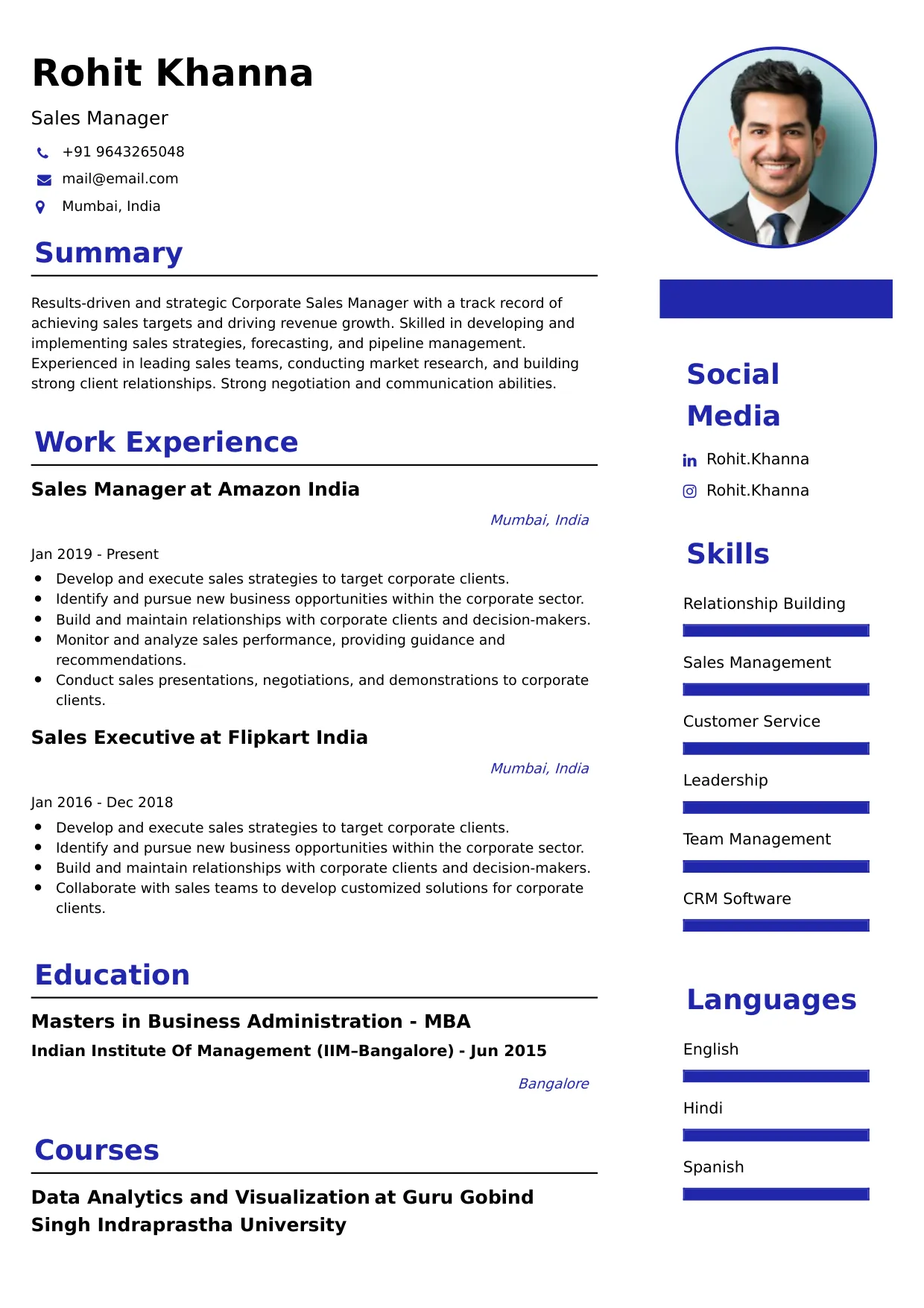
Telecommunications Engineer
Welcome to our Telecommunications Engineer resume sample page! This expertly crafted resume template is designed to showcase your expertise in designing, implementing, optimizing, and troubleshooting communication networks, systems (wired/wireless), and protocols (e.g., 5G, fiber optics, VoIP). Whether you focus on mobile networks, core routing, or enterprise voice/data systems, this sample highlights key skills like Network Design & Optimization, Wireless Technologies (LTE/5G), Routing & Switching (Cisco/Juniper), VoIP/UC Systems, and Regulatory Compliance (FCC/ITU) tailored to meet top carrier and enterprise demands. Use this guide to create a polished, results-driven resume that stands out and secures your next career opportunity.

Superbresume.com empowers Telecommunications Engineers to craft resumes that highlight their network performance and system reliability expertise. Our platform offers customizable templates tailored for engineering roles, emphasizing skills like network modeling/simulation, core network protocols (SIP, BGP), fiber optic technology, and network automation (Python). With ATS-optimized formats, expert-written content suggestions, and real-time resume analysis, we ensure your resume aligns with job descriptions. Showcase your experience in successfully optimizing network coverage/capacity, significantly reducing network latency, or leading the deployment of major telecommunications infrastructure projects with confidence. Superbresume.com helps you create a polished, results-driven resume that grabs hiring managers’ attention and lands interviews.
How to Write a Resume for a Telecommunications Engineer
Craft a Targeted Summary: Write a 2-3 sentence summary highlighting your expertise in designing and optimizing telecommunications networks, proficiency in wireless/core technologies and regulatory compliance, and success in improving network performance, capacity, and reliability.
Use Reverse-Chronological Format: List recent telecommunications engineer, network architect, or specialized infrastructure roles first, focusing on measurable network performance and deployment achievements.
Highlight Certifications/Training: Include credentials like CCNP/CCIE (Cisco), relevant vendor certifications (e.g., Nokia, Ericsson), relevant industry training (e.g., 5G/VoIP), or relevant engineering degrees (EE/Comp Eng) to boost credibility.
Quantify Achievements: Use metrics, e.g., “Designed and optimized a 5G/LTE network cluster, increasing data throughput capacity by 25% and reducing dropped call rates by 10%,” or “Led the deployment of a new enterprise VoIP system across 10 offices, reducing monthly communication costs by 15%,” to show impact.
Incorporate Keywords: Use terms like “Wireless Network Optimization (LTE/5G),” “VoIP/Unified Communications (UC),” “Routing & Switching (BGP/OSPF),” “Network Design & Planning,” “Fiber Optics/DWDM,” “Protocol Analysis (SIP/SS7),” or “Network Performance Monitoring” from job roles for ATS.
Detail Technical Skills: List proficiency with specific vendor equipment, network protocols, simulation/modeling software (e.g., NS-3), network analysis tools (Wireshark), and scripting (Python) in a comprehensive skills section.
Showcase Network Projects: Highlight 3-4 key design, optimization, or deployment projects (e.g., implementing a new QoS scheme, migrating to a SIP trunking system, optimizing cell site coverage), detailing the technology, the challenge solved, and the measurable performance/cost outcome.
Emphasize Soft Skills: Include analytical rigor, systematic problem-solving, strategic thinking, strong communication (technical documentation/client), and attention to regulatory detail.
Keep It Concise: Limit your resume to 1-2 pages, focusing on relevant network design, optimization, and system deployment experience.
Proofread Thoroughly: Eliminate typos or jargon for a professional document.
5G/LTE Network Deployment and Optimization: Focus on expertise designing and optimizing the radio access network (RAN) and core network (EPC/5GC) for 5G and advanced LTE (LTE-A), focusing on latency, throughput, and massive IoT connectivity.
VoIP/Unified Communications (UC) Architecture: Highlight deep technical skills designing and managing enterprise VoIP systems, Session Initiation Protocol (SIP) trunking, and integrating unified communication platforms (e.g., Cisco UCM, Microsoft Teams Voice).
SDN/NFV and Network Virtualization: Showcase experience implementing Software-Defined Networking (SDN) and Network Function Virtualization (NFV) within core and edge networks for agile service deployment and cost reduction.
Fiber Optic and DWDM Systems: Detail expertise in designing, installing, testing (OTDR), and optimizing high-capacity fiber optic and Dense Wavelength Division Multiplexing (DWDM) transport networks.
Network Automation (NetDevOps): Emphasize utilizing Python (Netmiko/Ansible) and automation scripts to accelerate network deployment, simplify configuration management, and automate testing.
Metrics-Driven Achievements: Use results like “Reduced end-to-end network latency by 10ms by optimizing core routing configurations” or “Increased wireless network capacity by 20% to accommodate 1,000+ new enterprise users.”
Network Security and Compliance: Include experience designing and implementing security measures (firewalls, VPNs, AAA) within the telecom infrastructure and ensuring adherence to FCC/ITU regulatory standards.
Cloud Integration: Highlight experience integrating cloud infrastructure (AWS/Azure) with corporate networks, often for hybrid VoIP/UC deployments or managing virtual network functions (VNFs).
Choose Superbresume.com to craft a Telecommunications Engineer resume that stands out in the competitive network and carrier sector. Our platform offers tailored templates optimized for ATS, ensuring your skills in 5G/LTE, VoIP, and network optimization shine. With expert guidance, pre-written content, and real-time feedback, we help you highlight achievements like boosting network capacity or reducing latency. Whether you design wireless or core routing solutions, our tools make it easy to create a polished, results-driven resume. Trust Superbresume.com to showcase your expertise in reliable, scalable, and high-performance communication systems. Start building your career today!
20 Key Skills for a Telecommunications Engineer Resume
| Wireless Network Optimization (LTE/5G/RAN) | VoIP/Unified Communications (UC) Systems (SIP) |
| Routing & Switching (OSPF/BGP/MPLS) | Network Design, Planning, & Capacity Management |
| Fiber Optics & DWDM Technology | Network Troubleshooting & Protocol Analysis (Wireshark) |
10 Do’s for a Telecommunications Engineer Resume
Tailor Your Resume: Customize for the specific technology focus (e.g., emphasize 5G RAN optimization, emphasize enterprise VoIP/UC).
Highlight Certifications/Training: List CCNP/CCIE, relevant vendor certifications (Nokia/Ericsson), and 5G/VoIP training prominently.
Quantify Achievements: Include metrics on network capacity increase, latency reduction, dropped call rate reduction, or cost savings from system upgrades.
Use Action Verbs: Start bullet points with verbs like “designed,” “optimized,” “implemented,” “troubleshooted,” or “deployed.”
Showcase Network Projects: Detail the technology stack and the measurable performance/cost outcome of 3-4 key design or optimization projects.
Include Soft Skills: Highlight analytical rigor, systematic problem-solving, strategic thinking, and strong documentation/communication skills.
Optimize for ATS: Use standard engineering section titles and incorporate key network, protocol, and technology terms.
Keep It Professional: Use a clean, consistent font and engineering layout.
Emphasize Performance and Technology: Clearly articulate expertise in advanced communication technologies and ensuring high network QoS/reliability.
Proofread Thoroughly: Eliminate typos or jargon for a professional document.
10 Don’ts for a Telecommunications Engineer Resume
Don’t Overload with Jargon: Avoid confusing, internal company or project acronyms; use standardized telecom and network terminology.
Don’t Exceed Two Pages: Keep your resume concise, focusing on high-impact network design and engineering achievements.
Don’t Omit Dates: Include employment dates for career context.
Don’t Use Generic Templates: Tailor your resume specifically to the specialized design and optimization duties of a Telecommunications Engineer.
Don’t List Irrelevant Skills: Focus on wireless/wired networks, routing, protocols, and voice/data systems.
Don’t Skip Metrics: Quantify results wherever possible; capacity, latency, and dropped calls are key metrics.
Don’t Use Complex Formats: Avoid highly stylized elements or confusing graphics.
Don’t Ignore Automation: Include explicit experience with Python/Ansible for network automation.
Don’t Include Outdated Experience: Omit pre-3G/non-telecom or low-level IT jobs over 15 years old.
Don’t Forget to Update: Refresh for new certification mastery, successful network deployments, or advanced 5G/NFV skills.
5 FAQ's for a Telecommunications Engineer Resume
5G/LTE, VoIP, Fiber Optics (GPON), and SD-WAN.
"Architected a multi-site VoIP network supporting 5,000+ users with 99.999% reliability (five-nines)."
Yes. List proficiency in SIP, BGP, OSPF, and MPLS.
"Managed the deployment and optimization of 20+ cell sites, ensuring 100% compliance with FCC regulatory standards."
"Optimized frequency allocation for a regional wireless network, reducing interference and increasing data throughput by 20%."
Get 5x more interviews with our crafted Resumes. We make resumes that land jobs.

Get a Free Customized Cover Letter with Resume Expert Advice
with every resume order placed, you will get a free Customized Cover letter.