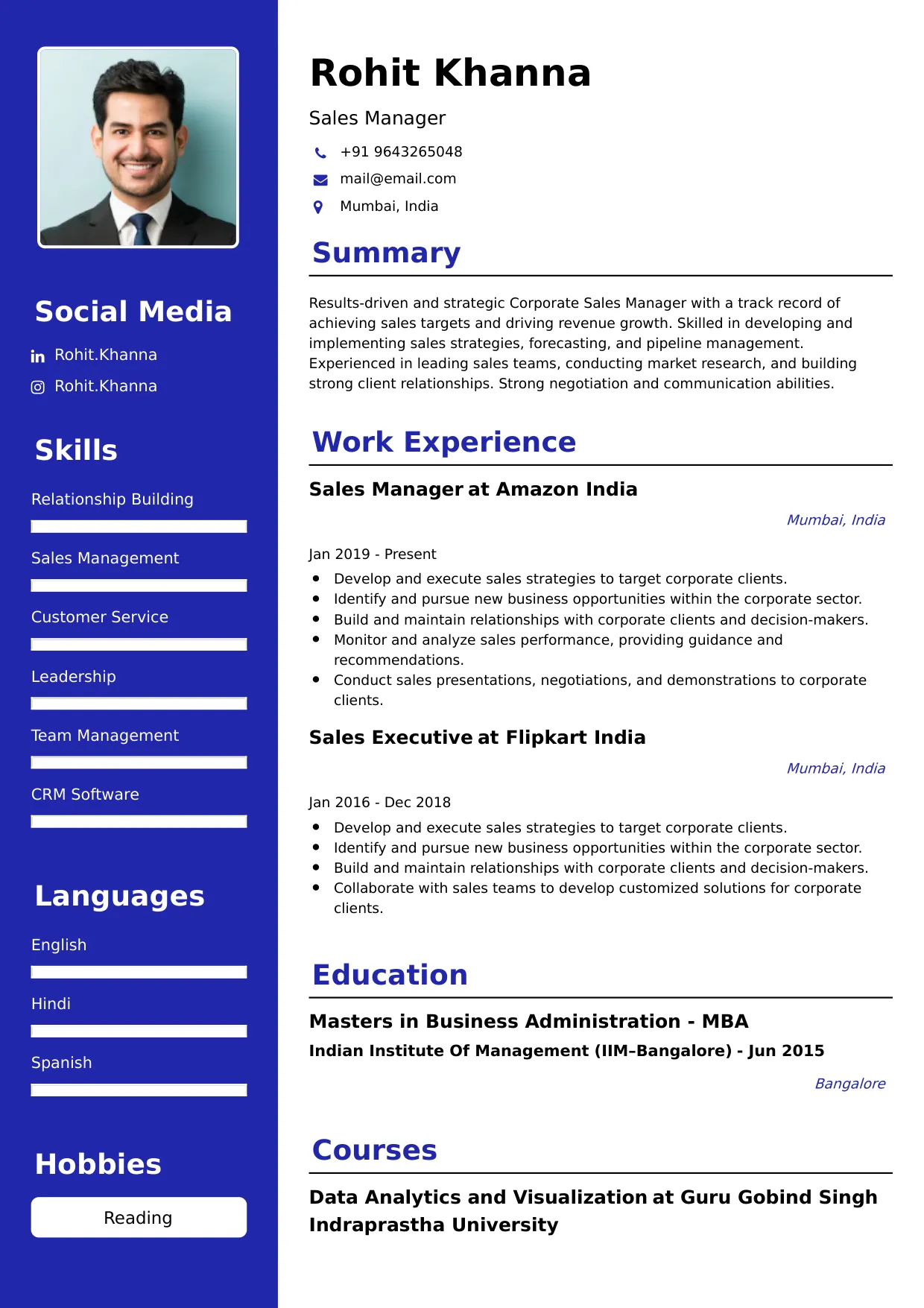
Medical Assistant
Welcome to our Medical Assistant (MA) resume sample page! This expertly crafted resume template is designed to showcase your expertise in providing clinical and administrative support in healthcare settings, including taking vital signs, assisting with procedures, managing patient records, and handling patient communication. Whether you're an entry-level candidate or a seasoned professional, this sample highlights key skills like Clinical Procedures, Vitals Monitoring, EMR Proficiency, Phlebotomy, Scheduling, and Regulatory Compliance (HIPAA) tailored to meet top clinic and hospital demands. Use this guide to create a compelling resume that stands out and secures your next career opportunity.
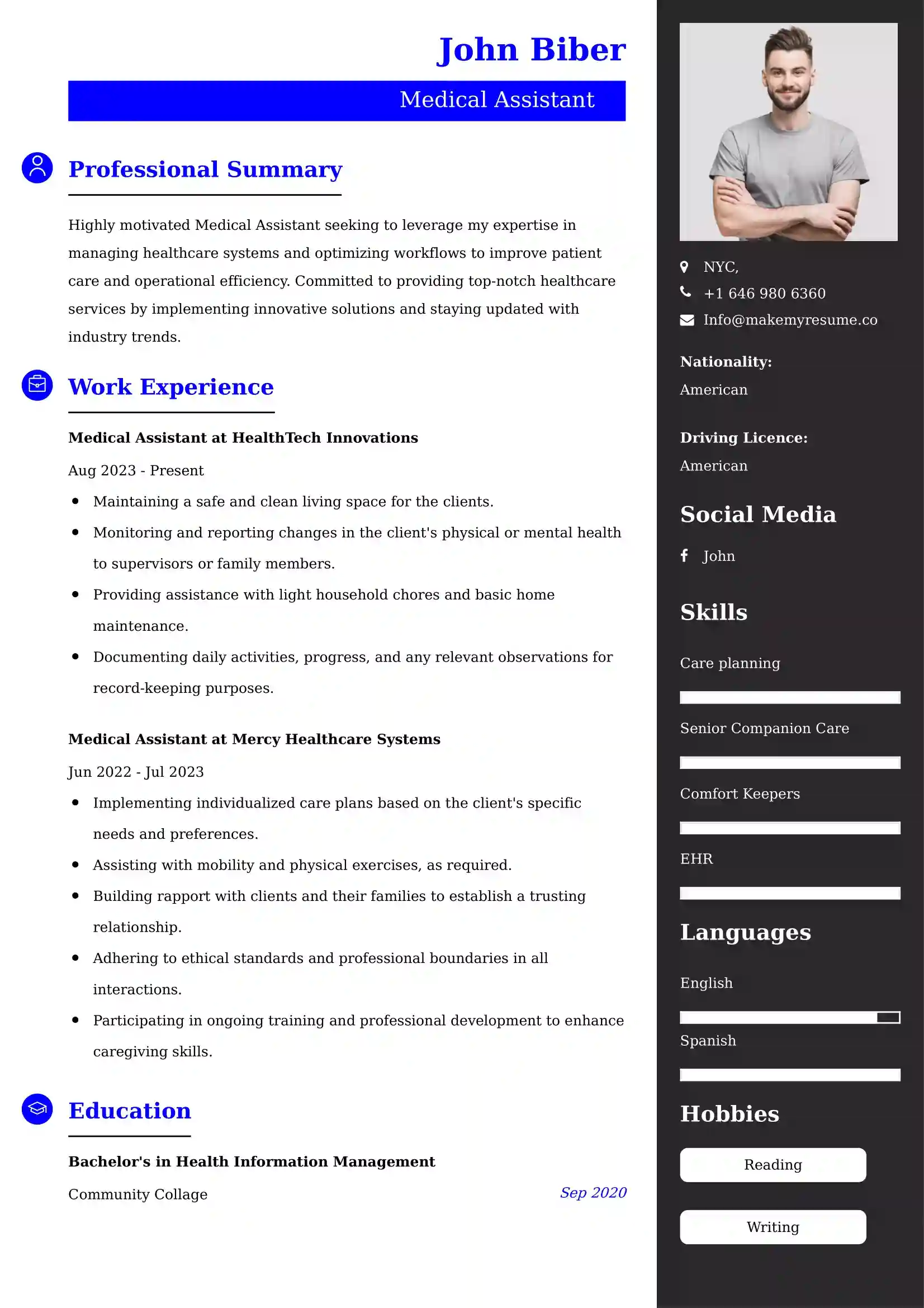
Superbresume.com empowers Medical Assistants to craft resumes that highlight their clinical competence and administrative efficiency. Our platform offers customizable templates tailored for healthcare roles, emphasizing skills like aseptic technique, medication administration (non-IV), patient education, and streamlined patient flow management. With ATS-optimized formats, expert-written content suggestions, and real-time resume analysis, we ensure your resume aligns with job descriptions. Showcase your experience in successfully managing high patient volumes, maintaining flawless EMR documentation, or assisting with specialized medical procedures with confidence. Superbresume.com helps you create a polished, results-driven resume that grabs hiring managers’ attention and lands interviews.
How to Write a Resume for a Medical Assistant
Craft a Targeted Summary: Write a 2-3 sentence summary highlighting your active MA certification, extensive experience in clinical and administrative support, proficiency in EMR systems and patient procedures, and commitment to patient safety and HIPAA compliance.
Use Reverse-Chronological Format: List recent MA roles, externships, or relevant clinical support positions first, focusing on measurable clinical and administrative achievements.
Highlight Certifications/Training: Include credentials like Certified Medical Assistant (CMA/RMA), BLS/CPR Certification, Phlebotomy/IV Certification, or specialized EMR system training to boost credibility.
Quantify Achievements: Use metrics, e.g., “Prepared and roomed an average of 30 patients per shift, achieving a 95% on-time start rate for appointments,” or “Performed 100+ phlebotomy procedures monthly with a success rate of 98%,” to show impact.
Incorporate Keywords: Use terms like “Clinical Procedures (Injections, EKG),” “Vitals & Patient Intake,” “EMR Proficiency (Epic/Cerner),” “HIPAA Compliance,” “Phlebotomy/Venipuncture,” “Scheduling & Triage (Basic),” or “Patient Education” from job descriptions for ATS.
Detail Clinical/Administrative Skills: List proficiency with specific EMR systems, sterilizing equipment, basic laboratory procedures, inventory management, scheduling software, and professional phone etiquette in a dedicated skills section.
Showcase Procedural/Operational Success: Highlight 3-4 key responsibilities or projects (e.g., managing the flow of a specialty clinic, assisting with minor surgery, leading a vaccination clinic), detailing the scope and the efficiency/compliance result.
Emphasize Soft Skills: Include empathy, professionalism, efficiency, meticulous attention to detail (meds/vitals), and strong communication (patient/physician).
Keep It Concise: Limit your resume to 1 page, focusing on relevant clinical, administrative, and system proficiency experience.
Proofread Thoroughly: Eliminate typos or jargon for a professional document.
EMR/EHR System Mastery: Focus on advanced proficiency utilizing specific Electronic Medical Record (EMR) systems (e.g., Epic, Cerner) for charting, e-prescribing, lab order entry, and managing patient portals.
Telehealth and Virtual Support: Highlight experience assisting physicians with setting up and conducting virtual patient visits, managing remote monitoring data, and triaging virtual inquiries.
Clinical Procedures and Technical Skills: Showcase a strong skill set in high-demand procedures like phlebotomy, EKG administration, point-of-care testing (POCT), and vaccine/injection administration.
Patient Flow and Clinic Efficiency: Emphasize involvement in optimizing the clinic workflow (triage, rooming, discharge) to reduce wait times and increase provider productivity.
Chronic Care Management Support: Detail experience assisting providers with chronic care management (CCM) protocols, including scheduling follow-ups, ensuring labs are current, and providing patient education on chronic conditions (e.g., diabetes).
Metrics-Driven Achievements: Use results like “Reduced patient check-in time by 3 minutes through a new standardized process” or “Maintained a 95% patient compliance rate for required immunization follow-ups.”
Regulatory Compliance (HIPAA/OSHA): Include strict adherence to HIPAA (patient confidentiality) and OSHA (bloodborne pathogens, sterilization) protocols.
Patient Education and Health Literacy: Highlight proficiency in communicating complex medical information clearly to patients to improve adherence to treatment plans and preventative care.
Choose Superbresume.com to craft a Medical Assistant resume that stands out in the competitive clinical support sector. Our platform offers tailored templates optimized for ATS, ensuring your skills in CMA/RMA certification, EMR proficiency, and clinical procedures shine. With expert guidance, pre-written content, and real-time feedback, we help you highlight achievements like managing high patient volumes or maintaining flawless EMR documentation. Whether you support primary care or specialty practice, our tools make it easy to create a polished, results-driven resume. Trust Superbresume.com to showcase your expertise in reliable, compassionate, and efficient patient care support. Start building your career today!
20 Key Skills for a Medical Assistant Resume
| CMA/RMA Certification | EMR/EHR Proficiency (Epic/Cerner) |
| Vitals Monitoring & Patient Intake (History, Allergies) | Phlebotomy & Specimen Collection |
| Medication Administration (Injections/Vaccinations) | EKG Administration & Interpretation (Basic) |
| Aseptic/Sterile Technique & Infection Control | Scheduling & Patient Flow Management |
| HIPAA/OSHA Compliance | Wound Care (Simple Dressings) & Suture/Staple Removal |
| Patient Education & Coaching | Point-of-Care Testing (POCT) |
| IV Insertion Assistance (if applicable) | Supply/Inventory Management |
10 Do’s for a Medical Assistant Resume
Tailor Your Resume: Customize for the specialty (e.g., pediatrics, cardiology, family medicine) and the specific EMR system used.
Highlight Certifications/Training: List CMA/RMA, BLS, and phlebotomy/IV certifications prominently.
Quantify Achievements: Include metrics on patient volume managed per shift, procedure success rates (phlebotomy), or efficiency gains in patient flow.
Use Action Verbs: Start bullet points with verbs like “assisted,” “prepared,” “administered,” “monitored,” or “documented.”
Showcase Procedural Skills: Detail specific advanced procedures routinely performed (EKG, injections, phlebotomy).
Include Soft Skills: Highlight efficiency, professionalism, empathy, and meticulous attention to detail (meds/vitals).
Optimize for ATS: Use standard medical section titles and incorporate key certification and EMR terms.
Keep It Concise: Limit your resume to one page, focusing on relevant clinical and administrative experience.
Emphasize EMR and Compliance: Clearly articulate expertise in the relevant EMR and strict adherence to HIPAA/OSHA protocols.
Proofread Thoroughly: Ensure no typos or errors in medical terminology or documentation.
10 Don’ts for a Medical Assistant Resume
Don’t Overload with Jargon: Avoid confusing, internal clinic or hospital acronyms; use standardized medical and certification terminology.
Don’t Exceed One Page: Keep your resume sharp and focused on the most relevant, measurable MA duties.
Don’t Omit Dates: Include full dates for education, certification, and employment for credentialing purposes.
Don’t Use Generic Templates: Tailor your resume specifically to the combined clinical and administrative duties of an MA.
Don’t List Irrelevant Skills: Focus on clinical procedures, EMR, patient flow, and administrative support.
Don’t Skip Metrics: Quantify results wherever possible; link clinical work to patient volume, procedure success, or flow efficiency.
Don’t Use Complex Formats: Avoid highly stylized elements or confusing graphics.
Don’t Ignore Documentation: Include explicit experience maintaining accurate and compliant EMR charting (HIPAA).
Don’t Include Outdated Experience: Omit non-clinical or irrelevant jobs over 10 years old.
Don’t Forget to Update: Refresh for new certification renewals, successful procedure training, or EMR system upgrades.
5 FAQs for a Medical Assistant Resume
Prioritize CMA/RMA certification, EMR proficiency, Vitals/Patient Intake, Phlebotomy/Injections, and HIPAA/OSHA compliance.
Use standard medical section titles, avoid graphics, and include keywords like “EMR,” “Phlebotomy,” and “CMA.”
Yes, quantifying the average number of patients roomed or procedures assisted with per shift demonstrates capacity.
Detail a process change (e.g., optimizing supply stocking, improving intake forms) and the resulting quantified reduction in time (e.g., 2-minute reduction in patient rooming time).
Use a reverse-chronological format to emphasize your most recent, high-impact clinical and administrative achievements.
Get 5x more interviews with our crafted Resumes. We make resumes that land jobs.

Get a Free Customized Cover Letter with Resume Expert Advice
with every resume order placed, you will get a free Customized Cover letter.