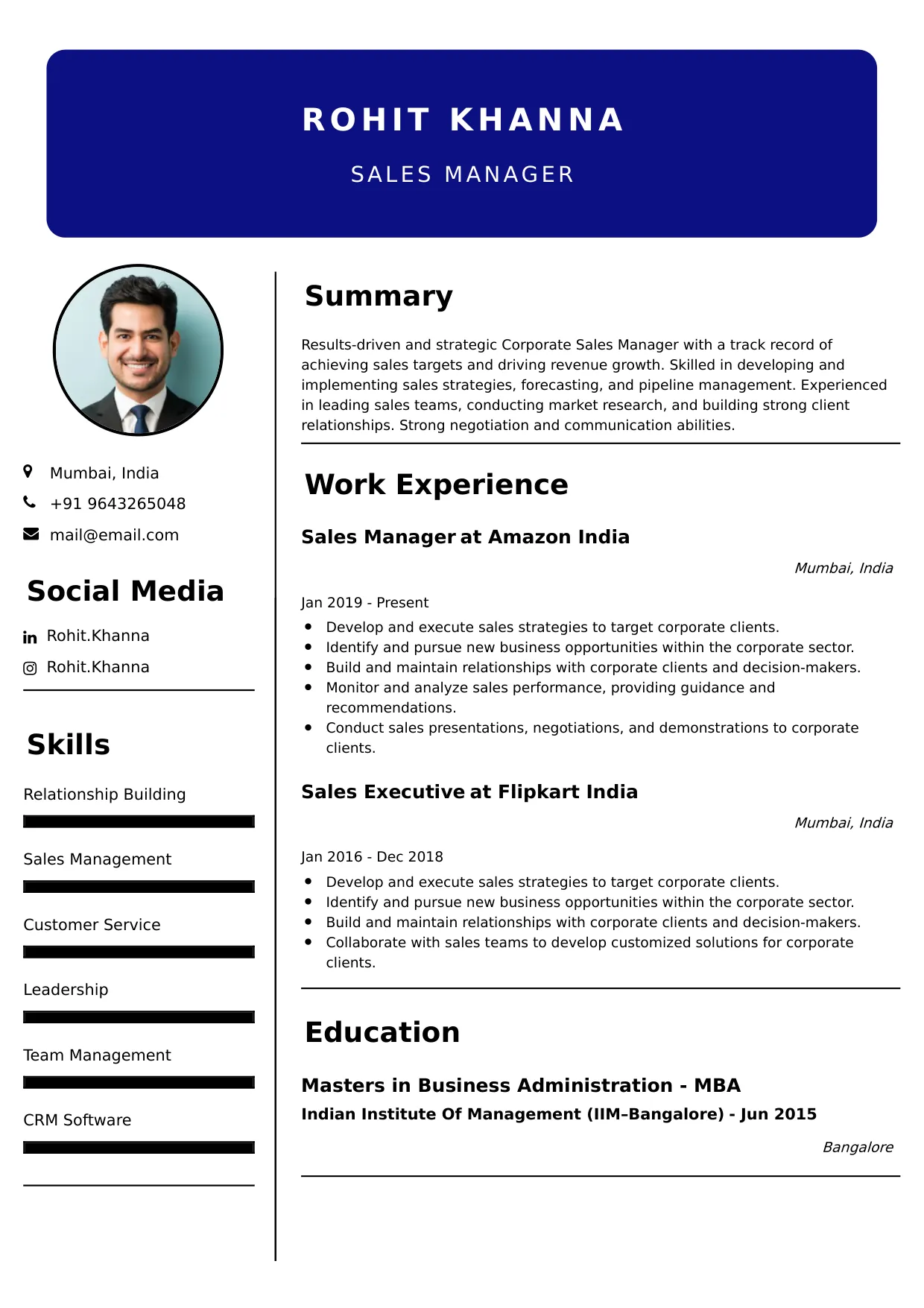
Systems Analyst
Welcome to our Systems Analyst resume sample page! This expertly crafted resume template is designed to showcase your expertise in analyzing user needs, designing functional requirements, evaluating system performance, and bridging the communication gap between business stakeholders and technical development teams. Whether you focus on software implementation, process mapping, or enterprise systems, this sample highlights key skills like Requirements Engineering, Business Process Modeling (BPMN), System Testing/Validation, Stakeholder Management, and Technical Solution Design tailored to meet top corporate and IT demands. Use this guide to create a polished, results-driven resume that stands out and secures your next career opportunity.

Superbresume.com empowers Systems Analysts to craft resumes that highlight their solution design and functional expertise. Our platform offers customizable templates tailored for analytical roles, emphasizing skills like advanced data flow modeling, gap analysis (As-Is/To-Be), user acceptance testing (UAT) coordination, and system documentation (functional/technical). With ATS-optimized formats, expert-written content suggestions, and real-time resume analysis, we ensure your resume aligns with job descriptions. Showcase your experience in successfully leading the analysis for major system implementations, significantly reducing functional defects post-launch, or designing technical solutions that drove measurable business process efficiency with confidence. Superbresume.com helps you create a polished, results-driven resume that grabs hiring managers’ attention and lands interviews.
How to Write a Resume for a Systems Analyst
Craft a Targeted Summary: Write a 2-3 sentence summary highlighting your expertise in systems analysis and requirements definition, proficiency in process modeling and technical documentation, and success in translating business needs into effective, measurable technology solutions.
Use Reverse-Chronological Format: List recent Systems Analyst, Business Analyst (technical focus), or functional consultant roles first, focusing on measurable solution delivery and system efficiency achievements.
Highlight Certifications/Training: Include credentials like Certified Business Analysis Professional (CBAP®), Project Management Professional (PMP), specialized domain certifications (e.g., ITIL, Finance), or relevant technical degrees (MIS/CS) to boost credibility.
Quantify Achievements: Use metrics, e.g., “Led the requirements gathering for a major system upgrade (ERP module), reducing functional defects post-launch by 40%,” or “Optimized 5 core business processes using BPMN, resulting in 15% faster transaction processing time for end-users,” to show impact.
Incorporate Keywords: Use terms like “Requirements Engineering (Functional/Technical Specs),” “Business Process Modeling (BPMN),” “System Testing & Validation (UAT),” “Stakeholder Management,” “Gap Analysis (As-Is/To-Be),” “Solution Design & Documentation,” or “ERP/CRM System Analysis” from job descriptions for ATS.
Detail Methodology/Tool Skills: List proficiency with specific modeling tools (Visio, Lucidchart), requirements management software (Jira, Confluence), data flow diagrams, system testing techniques, SQL for data validation, and strong technical writing in a dedicated skills section.
Showcase Analysis Projects: Highlight 3-4 key system analysis projects (e.g., new feature integration, process automation analysis, system migration support), detailing the business challenge, the methodology used, and the quantified business/efficiency result.
Emphasize Soft Skills: Include analytical rigor, strong communication (business/technical translation), systematic problem-solving, attention to detail (documentation), and cross-functional collaboration.
Keep It Concise: Limit your resume to 1-2 pages, focusing on relevant systems analysis, design, and solution validation experience.
Proofread Thoroughly: Eliminate typos or jargon for a professional document.
Agile and Product Ownership Support: Focus on expertise writing detailed user stories, managing the development backlog, and supporting the Product Owner/Scrum Master with functional requirements and acceptance criteria in an Agile environment.
Business Process Modeling Notation (BPMN): Highlight advanced proficiency using formalized process modeling techniques (BPMN, UML) to visually map current and future state workflows, serving as the common language between IT and business.
Data Flow and Integration Analysis: Showcase strong analytical skills in defining data requirements, mapping data transformations between integrated systems (e.g., API interfaces), and writing SQL to validate data integrity.
User Acceptance Testing (UAT) Leadership: Detail experience designing test cases, coordinating UAT sessions with end-users, and managing defect tracking to ensure the final system meets all functional requirements.
Cloud and SaaS Implementation Analysis: Emphasize involvement in analyzing the functional gaps and requirements for implementing or integrating with cloud-based SaaS solutions (e.g., Salesforce, Workday, cloud ERP).
Metrics-Driven Achievements: Use results like “Successfully defined the integration requirements for 5 disparate systems, reducing post-launch defects by 10%” or “Improved the clarity of functional specifications, reducing development time by 2 weeks.”
Change Management Integration: Include experience assisting with the planning and communication necessary to ensure end-user adoption of the new system or process resulting from the analysis.
Cybersecurity Requirements: Highlight experience documenting functional security requirements (e.g., access control, data encryption needs) and collaborating with security architects.
20 Key Skills for a Systems Analyst Resume
| Requirements Engineering (Functional/Technical Specs) | Business Process Modeling (BPMN, UML) |
| System Testing & User Acceptance Testing (UAT) | Stakeholder Management & Communications |
| Data Analysis (SQL, Excel) & Data Flow Diagrams | Agile/Scrum (User Story, Acceptance Criteria) |
10 Do’s for a Systems Analyst Resume
Tailor Your Resume: Customize for the specific system type (e.g., emphasize financial module expertise for an ERP role, emphasize API integration for a technical integration role).
Highlight Certifications/Training: List CBAP/CCBA, PMP, and relevant domain/system certifications prominently.
Quantify Achievements: Include metrics on project budget managed, scope creep reduction, efficiency gains (process time reduction), or defect reduction rates.
Use Action Verbs: Start bullet points with verbs like “analyzed,” “designed,” “defined,” “validated,” or “translated.”
Showcase Solution Design: Detail the methodology and the strategic, quantified business/efficiency result of 3-4 key system analysis projects.
Include Soft Skills: Highlight analytical rigor, strong communication (translation), systematic problem-solving, and attention to detail (documentation).
Optimize for ATS: Use standard analyst/IT section titles and incorporate key BA, modeling, and system terms.
Keep It Professional: Use a clean, consistent font and professional layout.
Emphasize Requirements and Process: Clearly articulate expertise in translating business needs into detailed technical specifications and modeling workflows.
Proofread Thoroughly: Eliminate typos or jargon for a professional document.
10 Don’ts for a Systems Analyst Resume
Don’t Overload with Jargon: Avoid confusing, internal company acronyms; use standardized IIBA and systems terminology.
Don’t Exceed Two Pages: Keep your resume concise, focusing on high-impact systems analysis and solution design achievements.
Don’t Omit Dates: Include employment dates for career context.
Don’t Use Generic Templates: Tailor your resume specifically to the analytical and functional duties of a Systems Analyst.
Don’t List Irrelevant Skills: Focus on requirements, process modeling, system validation, data flow, and stakeholder management.
Don’t Skip Metrics: Quantify results wherever possible; efficiency gains, scope creep reduction, and defect reduction are key metrics.
Don’t Use Complex Formats: Avoid highly stylized elements or confusing graphics.
Don’t Ignore Technical Documentation: Include explicit experience writing clear functional and non-functional specifications.
Don’t Include Outdated Experience: Omit non-analytical or non-IT jobs over 15 years old.
Don’t Forget to Update: Refresh for new CBAP certification, successful system implementations, or advanced process modeling skills.
5 FAQ's for a Systems Analyst Resume
Focus on the gap between tech and business: "Translated 100+ business requirements into technical specifications for a new CRM rollout."
Mention BPMN, UML, or ERD diagrams.
Yes. "Managed the UAT phase for 5 major software upgrades, ensuring 100% of critical defects were resolved before launch."
"Identified operational gaps in legacy billing systems, leading to a system redesign that captured $200K in annual missed revenue."
"Acted as a technical liaison within a Scrum environment, ensuring the product backlog was technically feasible and aligned with architecture."
Get 5x more interviews with our crafted Resumes. We make resumes that land jobs.

Get a Free Customized Cover Letter with Resume Expert Advice
with every resume order placed, you will get a free Customized Cover letter.