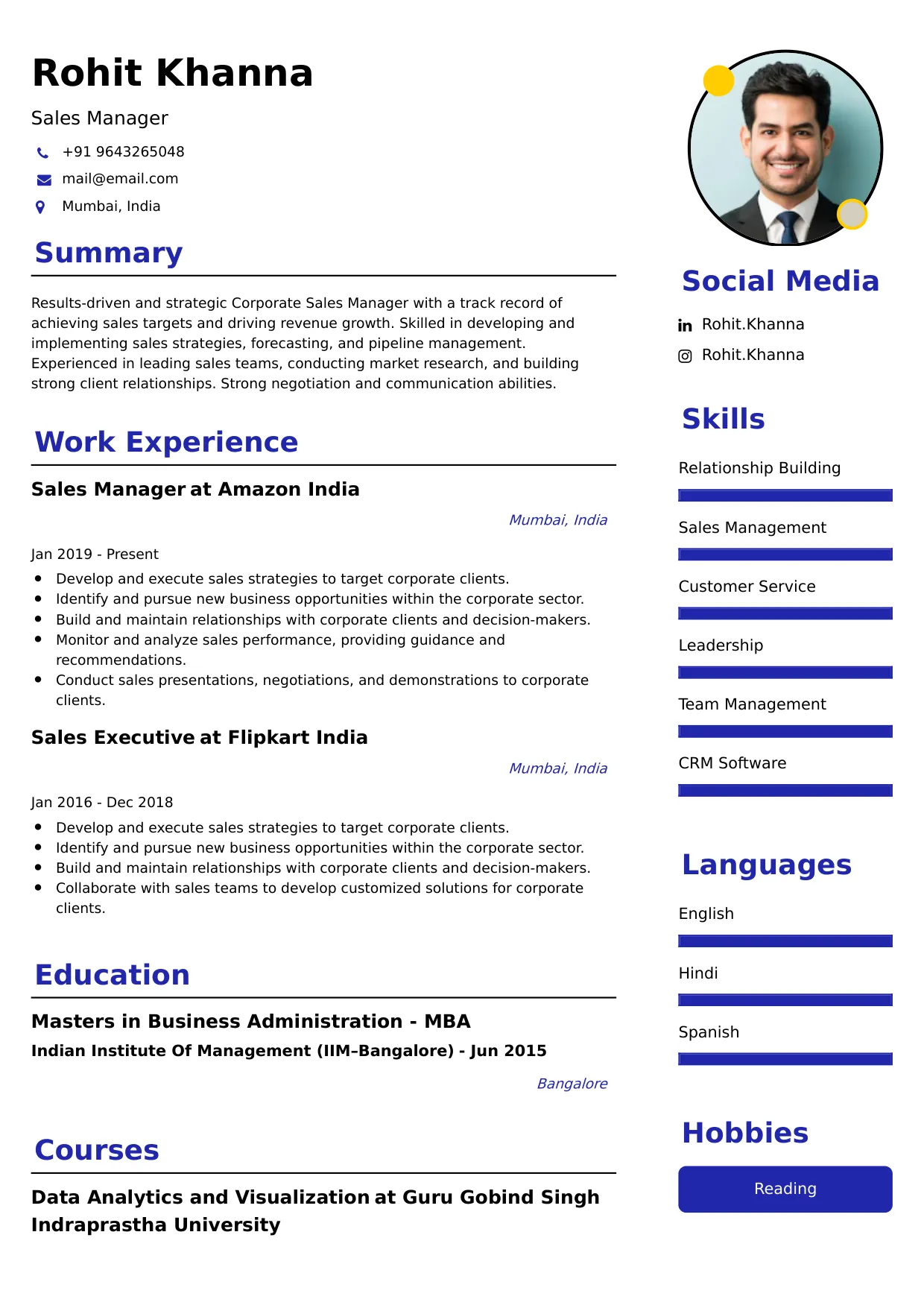
Logistics Coordinator
Welcome to our Logistics Coordinator resume sample page! This expertly crafted resume template is designed to showcase your expertise in managing daily shipments, coordinating with carriers/drivers, preparing documentation (BOL, customs), tracking freight, and resolving shipment issues to ensure timely and cost-effective delivery. Whether you're an entry-level candidate or a seasoned professional, this sample highlights key skills like Freight Forwarding, Transportation Management Systems (TMS), Documentation Accuracy, Carrier Relations, and Customer Communication tailored to meet top 3PL, manufacturing, and trade demands. Use this guide to create a compelling resume that stands out and secures your next career opportunity.
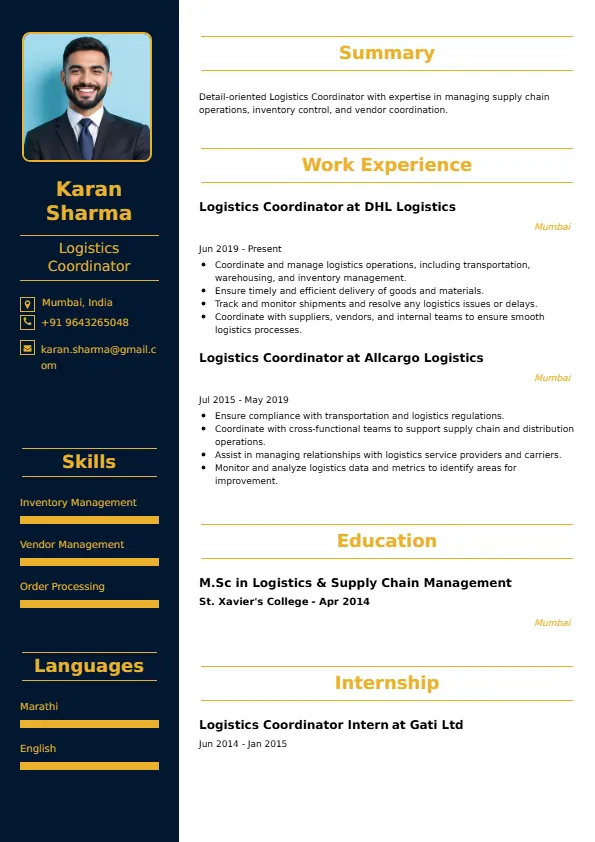
Superbresume.com empowers Logistics Coordinators to craft resumes that highlight their operational efficiency and documentation precision. Our platform offers customizable templates tailored for logistics roles, emphasizing skills like B/L (Bill of Lading) preparation, customs paperwork, shipment scheduling, and real-time tracking. With ATS-optimized formats, expert-written content suggestions, and real-time resume analysis, we ensure your resume aligns with job descriptions. Showcase your experience in successfully managing high daily shipment volumes, reducing documentation errors, or implementing new tracking systems that improved visibility with confidence. Superbresume.com helps you create a polished, results-driven resume that grabs hiring managers’ attention and lands interviews.
How to Write a Resume for a Logistics Coordinator
Craft a Targeted Summary: Write a 2-3 sentence summary highlighting your expertise in full-cycle shipment coordination, proficiency in TMS/logistics software and documentation, and success in ensuring on-time delivery (OTD) and managing carrier relations efficiently.
Use Reverse-Chronological Format: List recent logistics, shipping/receiving, or supply chain administrative roles first, focusing on measurable operational and documentation achievements.
Highlight Certifications/Training: Include credentials like Certified Logistics Associate (CLA), specialized training in Incoterms, Transportation Management Systems (TMS) certification, or customs brokerage support training to boost credibility.
Quantify Achievements: Use metrics, e.g., “Coordinated an average of 50 domestic and international shipments daily, maintaining 99% documentation accuracy (BOL/Invoices),” or “Reduced freight tracking errors by 20% through optimization of the TMS data entry process,” to show impact.
Incorporate Keywords: Use terms like “Shipment Coordination,” “Transportation Management System (TMS),” “Bill of Lading (B/L) & Documentation,” “Carrier Relations,” “Incoterms & Customs,” “On-Time Delivery (OTD),” or “Freight Tracking & Expediting” from job descriptions for ATS.
Detail Technical Skills: List proficiency with specific TMS/WMS software, ERP shipping modules, customs documentation platforms, advanced Excel (tracking), and communication tools in a dedicated skills section.
Showcase Operational Success: Highlight 3-4 key responsibilities or projects (e.g., managing a specific route/mode, resolving a major delayed shipment, streamlining the B/L creation process), detailing the scope, the challenge, and the efficiency/cost-saving result.
Emphasize Soft Skills: Include meticulous attention to detail (documentation), strong organizational skills, rapid problem-solving (shipment issues), clear communication (carrier/customer), and adherence to deadlines.
Keep It Concise: Limit your resume to 1 page, focusing on relevant logistics operations, coordination, and documentation experience.
Proofread Thoroughly: Eliminate typos or jargon for a professional document.
Digital Documentation and Paperless Workflow: Focus on expertise utilizing digital platforms and e-signature tools to generate and manage Bills of Lading (B/L), manifests, and customs documentation, transitioning away from manual paperwork.
TMS Utilization for Scheduling: Highlight advanced proficiency in using the Transportation Management System (TMS) for scheduling pickups, booking loads, and auditing freight invoices against contracted rates.
Incoterms and International Trade: Showcase deep knowledge of current Incoterms and experience preparing documentation (Commercial Invoices, Packing Lists) required for compliant international shipments and customs clearance.
Real-Time Visibility and Tracking: Detail experience using carrier portals, telematics, or specialized tracking software to provide customers and internal stakeholders with real-time updates on freight location and estimated time of arrival (ETA).
Carrier Performance Management: Emphasize involvement in tracking and reporting on carrier performance (e.g., tender acceptance rate, on-time pickup/delivery) to maintain service levels.
Metrics-Driven Achievements: Use results like “Successfully processed 1,000+ total shipments in the last quarter with a 98% OTD rate” or “Reduced average time spent preparing export documentation by 20%.”
Cross-Functional Communication: Include experience coordinating freight readiness with warehouse operations (picking/packing) and communicating delivery expectations to sales and customer service.
Troubleshooting and Exception Management: Highlight effective strategies for managing and resolving exceptions, such as delayed loads, customs holds, and damaged goods claims.
Choose Superbresume.com to craft a Logistics Coordinator resume that stands out in the essential supply chain sector. Our platform offers tailored templates optimized for ATS, ensuring your skills in shipment coordination, documentation accuracy, and TMS proficiency shine. With expert guidance, pre-written content, and real-time feedback, we help you highlight achievements like boosting on-time delivery or reducing documentation errors. Whether you manage domestic LTL or complex international freight, our tools make it easy to create a polished, results-driven resume. Trust Superbresume.com to showcase your expertise in reliable, efficient, and compliant transport operations. Start building your career today!
20 Key Skills for a Logistics Coordinator Resume
| Shipment Coordination & Scheduling | Transportation Management System (TMS) Operation |
| Bill of Lading (B/L) & Documentation | Carrier Relations & Dispatch Communication |
| Freight Tracking & Expediting | Incoterms & Customs Documentation (Export/Import) |
| On-Time Delivery (OTD) Management | Problem-Solving (Shipment Exceptions) |
| ERP/WMS System Proficiency (Shipping Module) | Cross-Functional Communication (Warehouse/Sales) |
| Documentation Accuracy & Auditing | Load Planning & Optimization (Basic) |
10 Do’s for a Logistics Coordinator Resume
Tailor Your Resume: Customize for the specific mode (e.g., emphasize LTL/Truckload, emphasize ocean/air freight) and the complexity of the documentation required.
Highlight Certifications/Training: List CLA, Incoterms, or specialized TMS training prominently.
Quantify Achievements: Include metrics on daily/weekly shipment volume, OTD rate, or documentation accuracy percentage.
Use Action Verbs: Start bullet points with verbs like “coordinated,” “scheduled,” “tracked,” “processed,” or “resolved.”
Showcase Operational Efficiency: Detail the methodology and the efficiency/cost-saving result of 3-4 key coordination projects.
Include Soft Skills: Highlight meticulous detail, organizational skills, rapid problem-solving, and clear communication.
Optimize for ATS: Use standard logistics section titles and incorporate key TMS, regulatory, and metric terms.
Keep It Concise: Limit your resume to one page, focusing on relevant logistics operations and coordination experience.
Emphasize Documentation and Compliance: Clearly articulate expertise in preparing accurate documentation (BOL) and adherence to trade rules (Incoterms).
Proofread Thoroughly: Eliminate typos or jargon for a professional document.
10 Don’ts for a Logistics Coordinator Resume
Don’t Overload with Jargon: Avoid confusing, internal company acronyms; use standardized logistics and trade terminology.
Don’t Exceed One Page: Keep your resume sharp and focused on the most relevant, measurable coordination duties.
Don’t Omit Dates: Include employment dates for career context.
Don’t Use Generic Templates: Tailor your resume specifically to the detailed, execution-focused duties of a Logistics Coordinator.
Don’t List Irrelevant Skills: Focus on shipment coordination, documentation, carrier relations, and TMS operation.
Don’t Skip Metrics: Quantify results wherever possible; OTD, volume, and accuracy are key metrics.
Don’t Use Complex Formats: Avoid highly stylized elements or confusing graphics.
Don’t Ignore Problem-Solving: Include explicit experience handling and resolving shipment exceptions and delays.
Don’t Include Outdated Experience: Omit non-logistics or irrelevant jobs over 10 years old.
Don’t Forget to Update: Refresh for new Incoterms knowledge, successful TMS mastery, or continuous improvement in documentation accuracy.
5 FAQ's for a Logistics Coordinator Resume
"Coordinated 50+ inbound/outbound shipments daily across LTL, TL, and Ocean modes."
"Successfully resolved 98% of shipment exceptions (delays, damages) within 24 hours."
Yes. "Prepared commercial invoices and ensured compliance with international Incoterms."
Yes. "Managed real-time freight tracking and provided proactive ETA updates to customers."
SAP, Oracle, or NetSuite.
Get 5x more interviews with our crafted Resumes. We make resumes that land jobs.

Get a Free Customized Cover Letter with Resume Expert Advice
with every resume order placed, you will get a free Customized Cover letter.