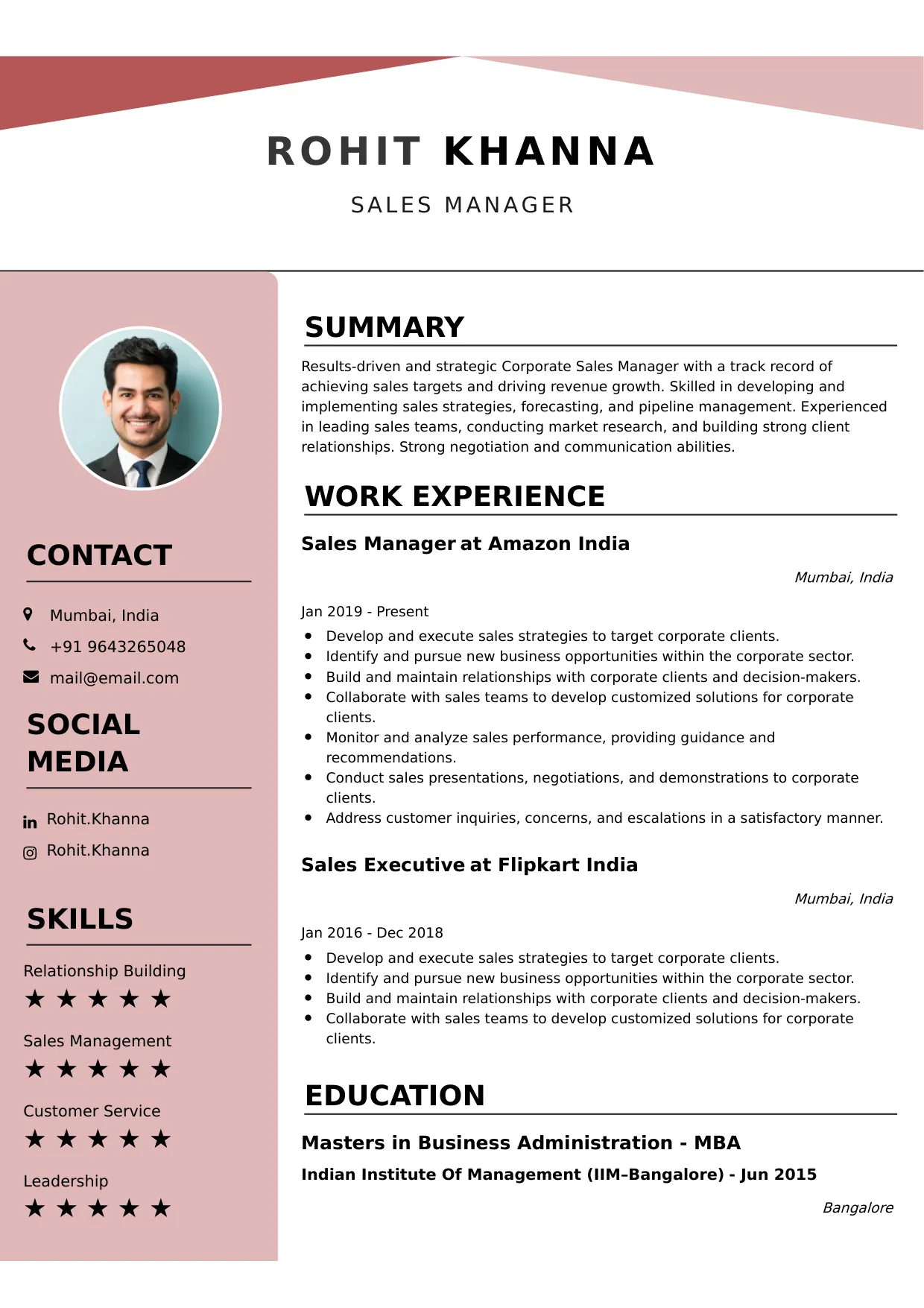
Art Coordinator
Welcome to our Art Coordinator resume sample page! This expertly crafted resume template is designed to showcase your project management, artistic curation, and creative collaboration skills in the vibrant arts industry. Whether you're an entry-level candidate or a seasoned professional, this sample highlights key skills like exhibition planning, artist management, and budget oversight, tailored to meet the demands of top employers. Use this guide to create a compelling resume that stands out and secures your next career opportunity.Build a Standout Art Coordinator Resume with Superbresume.com
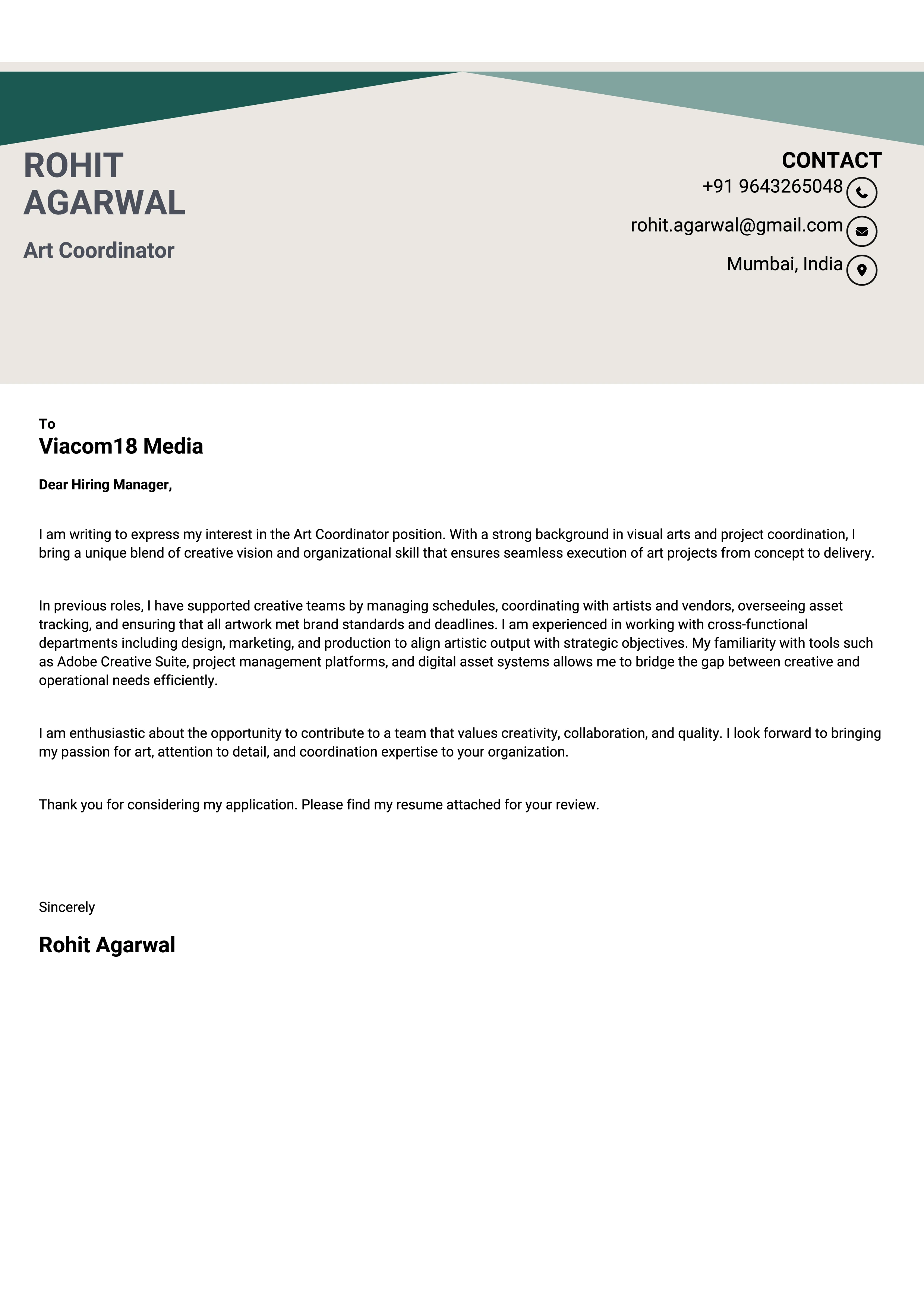
Superbresume.com empowers Art Coordinators to craft resumes that highlight their creative and organizational expertise. Our platform offers customizable templates tailored for arts roles, emphasizing skills like exhibition planning, artist management, and budget oversight. With ATS-optimized formats, expert-written content suggestions, and real-time resume analysis, we ensure your resume aligns with job descriptions. Showcase your experience in curating exhibitions, coordinating events, or managing artists with confidence. Whether you’re an entry-level coordinator or a senior professional, Superbresume.com helps you create a polished, results-driven resume that grabs hiring managers’ attention and lands interviews.
How to Write a Resume for an Art Coordinator
Craft a Targeted Summary: Write a 2–3 sentence summary highlighting your art coordination experience, event planning, and creative skills, tailored to the job.
Use Reverse-Chronological Format: List recent roles first, focusing on exhibition or event coordination projects.
Highlight Certifications: Include credentials like Project Management Professional (PMP) or arts administration courses to boost credibility.
Quantify Achievements: Use metrics, e.g., “Managed $50K exhibition budget,” to demonstrate impact.
Incorporate Keywords: Use terms like “exhibition planning,” “artist management,” or “curatorial skills” from job descriptions for ATS.
Detail Technical Skills: List tools like Adobe Creative Suite, Trello, or budgeting software in a skills section.
Showcase Projects: Highlight art exhibitions or events with details on scope and outcomes.
Emphasize Soft Skills: Include creativity and collaboration, demonstrated through team or artist coordination.
Keep It Concise: Limit your resume to 1–2 pages, focusing on relevant arts experience.
Proofread Thoroughly: Eliminate typos or jargon for a professional document.
Focus on Digital Exhibitions: Employers prioritize skills in virtual or hybrid art exhibitions, as 60% of roles emphasize digital platforms in 2025.
Sustainability in Arts: Highlight experience with eco-friendly exhibition practices, a growing trend.
Budget Management: Showcase skills in managing tight budgets for art projects, critical for 70% of roles.
Artist Collaboration: Emphasize working with diverse artists or communities, a key focus.
Social Media Promotion: Include experience promoting exhibitions via Instagram or TikTok.
Metrics-Driven Achievements: Use results like “increased attendance by 20%” to show impact.
Event Technology: Highlight tools like Eventbrite or virtual tour platforms for modern exhibitions.
Cultural Sensitivity: Emphasize skills in inclusive curation, reflecting diversity trends.
Choose Superbresume.com to craft an Art Coordinator resume that stands out in a competitive field. Our platform offers tailored templates optimized for ATS, ensuring your skills in exhibition planning, artist management, and budgeting shine. With expert guidance, pre-written content, and real-time feedback, we help you highlight achievements like curating successful exhibitions or managing events. Whether you’re an entry-level coordinator or a senior professional, our tools make it easy to create a professional, results-focused resume. Trust Superbresume.com to showcase your creative expertise and land interviews with top arts employers. Start building your career today!
20 Key Skills for an Art Coordinator Resume
| Exhibition Planning | Artist Management |
| Budget Oversight | Event Coordination |
| Adobe Creative Suite | Trello |
| Social Media Promotion | Curatorial Skills |
| Virtual Exhibitions | Project Management |
| Grant Writing | Art Installation |
| Eventbrite | Cultural Sensitivity |
| Contract Negotiation | Marketing |
| Data Analysis | Community Engagement |
| Creativity | Collaboration |
10 Do’s for an Art Coordinator Resume
Tailor Your Resume: Customize for each art coordinator job using job description keywords.
Highlight Certifications: List credentials like PMP or arts administration courses prominently.
Quantify Achievements: Include metrics, e.g., “Managed $50K exhibition budget.”
Use Action Verbs: Start bullet points with verbs like “curated,” “coordinated,” or “planned.”
Showcase Projects: Detail exhibitions or events with outcomes like increased attendance.
Include Soft Skills: Highlight creativity or collaboration through team examples.
Optimize for ATS: Use standard section titles and avoid complex formatting.
Keep It Professional: Use a clean, consistent font and layout.
Add a Portfolio Link: Include a link to exhibition photos or event case studies.
Proofread Carefully: Ensure no typos or errors for professionalism.
10 Don’ts for an Art Coordinator Resume
Don’t Overload with Jargon: Avoid excessive arts terms that confuse recruiters.
Don’t Exceed Two Pages: Keep your resume concise, focusing on relevant experience.
Don’t Omit Dates: Include employment dates for career context.
Don’t Use Generic Templates: Tailor your resume to arts roles.
Don’t List Irrelevant Skills: Focus on arts-specific skills like curation, not unrelated ones.
Don’t Skip Metrics: Quantify results wherever possible.
Don’t Use Complex Formats: Avoid ATS-unreadable graphics.
Don’t Ignore Soft Skills: Include creativity and collaboration examples.
Don’t Include Outdated Experience: Omit jobs over 15 years old unless relevant.
Don’t Forget to Update: Refresh for trends like digital exhibitions.
5 FAQs for an Art Coordinator Resume
Prioritize exhibition planning, artist management, and budgeting. Include tools like Trello or certifications like PMP.
Use standard section titles, avoid graphics, and include keywords like “exhibition planning” or “curatorial skills.”
Yes, a portfolio with exhibition photos or event case studies is critical.
Detail project scope, tools used (e.g., Adobe Creative Suite), and outcomes like attendance growth.
Use a reverse-chronological format to emphasize recent arts experience.
Get 5x more interviews with our crafted Resumes. We make resumes that land jobs.

Get a Free Customized Cover Letter with Resume Expert Advice
with every resume order placed, you will get a free Customized Cover letter.